Hanseatic city
In the fourteenth century, Groningen became a member of the Hanseatic League (1282-1669), a collaboration of merchants primarily from Germany, Scandinavia, England, Poland, the Baltic States, Russia and the Netherlands.
width-11-12
Representatives of the Hanse met during the Hansetage (Hanseatic Days) in order to take decisions. In 1463, a Hanseatic Day was held in Groningen. The Hanseatic Days that are held today are focused on keeping the idea of the international Hanse alive, developing the self-awareness in European countries and promoting mutual collaboration.
width-11-12
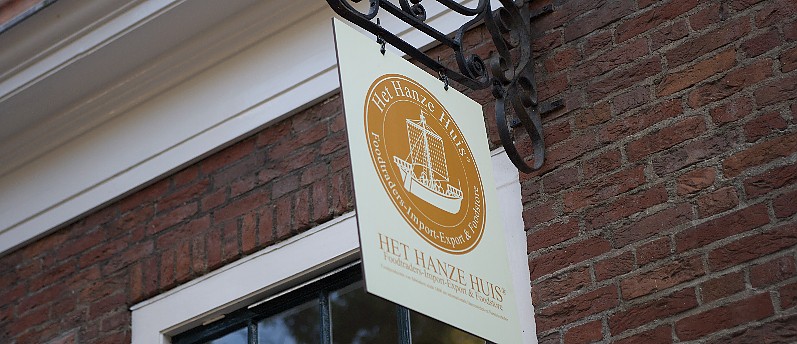
Hanseatic House
The Hanseatic House in Groningen does business according to Hanseatic tradition. Products are imported from various Hanseatic Towns in Europe: marzipan from Lübeck and Rotspon, coffee and tea from the Hanseatic City of Hamburg, Bang’s Jam from Copenhagen, Mr. Stanley’s Fudge from London and afternoon tea by Tiktak coffee and tea from Groningen.
width-11-12
Hanseatic Walk
Go back into time with this walk through the Hanseatic history of Groningen. The traces of this period may no longer be very distinct, but there is lots to explore for observant strollers. The walk is available at the Tourist Information Office at the Grote Markt.
Architecture
The city includes apartments, working-class houses, newly-built houses, offices, historic mansions, warehouses, hospices, courts and modern schools and museums; from the old Gold Office to the brand-new Tasman residential tower block, Groningen stands for architecture.
A visit to the architectural city of Groningen starts at one of the most beautiful stations in Europe: the main railway station. The building with its papier-mâché ceiling was designed by Isaac Gosschalk, completed in 1896 and, after numerous alterations, entirely brought back to its original state in 1999.
Gold office and warehouses
The Goudkantoor (Gold Office) in Groningen city centre is located behind the 200-year-old city hall and in the centre of the Waagcomplex designed by Italian architect Adolfo Natalini and constructed in 1999. Today the Gold Office, a Renaissance building from 1635, is a restaurant. Groningen is a Hanseatic city which becomes evident from the many historic warehouses, such as at the Noorderhaven
Design
The urinal by Rem Koolhaas (with photos by Erwin Olaf) at the Kleine der A, the entrance to the University Museum, the Academie van Bouwkunst (Academy of Architecture), the Wallhouse at the Hoornse Meer that accommodates an artist, writer or architect twice a year, and much more; Groningen is full of design.
Modern architecture
Groningen Museum
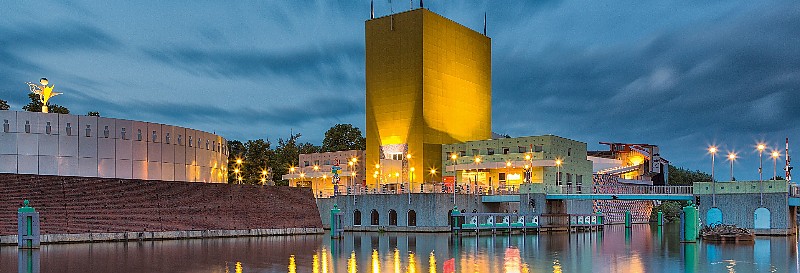
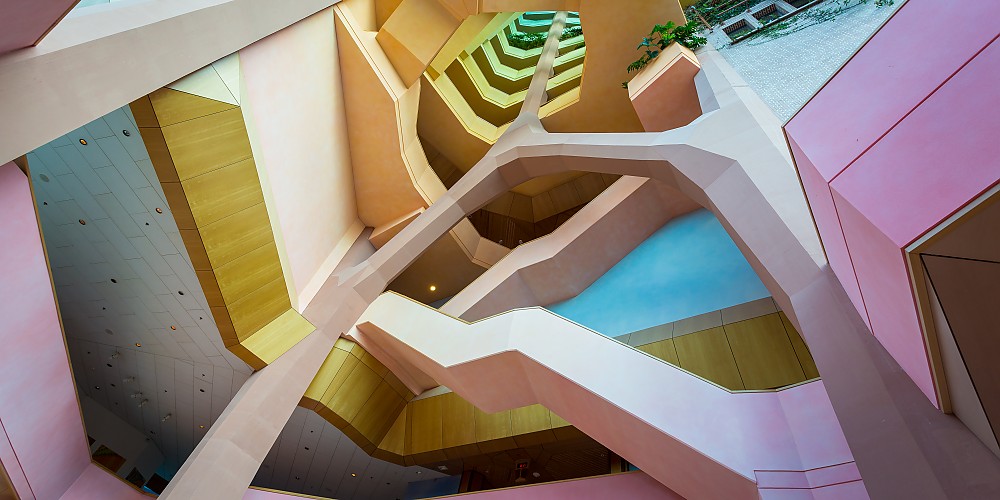
The much talked-of Groningen Museum designed by Allessandro Mendini houses art and is a work of art in itself.
The Gasuniegebouw is a wonderful example of organic architecture. Architects Ton Alberts and Max van Huut believe that human beings have three protective layers: skin, clothing and buildings. According to the designers, buildings must be as comfortable as a skin and users must feel the harmony with their immediate surroundings.
The Groningen Public Library in the city centre is located in a building designed in 1992 by Italian architect Georgio Grassi. The modern building is next to the oldest house of the city of Groningen, the Calmershuis, a stone house that was built around 1250.
University city
Groningen is the city with the youngest population in the Netherlands because of the substantial number of student residents: there are over 50,000 students in higher and university education.
Students
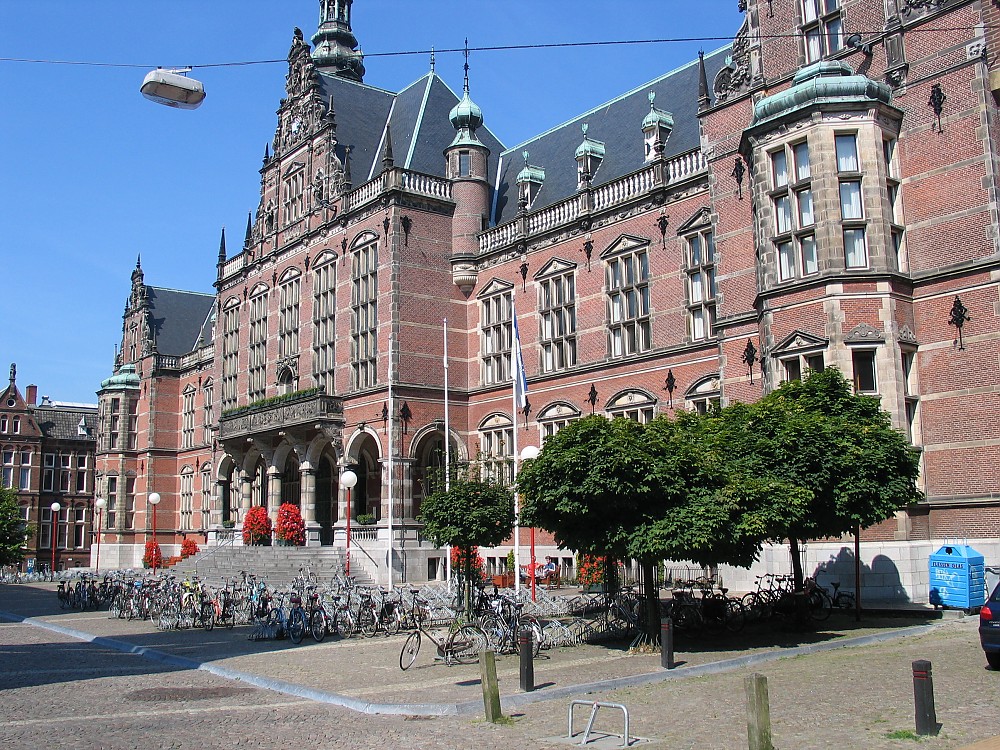
Currently, over 50,000 students are registered at the Hanze University of Applied Sciences, Groningen and University, where they can choose from 175 courses. The Hanze University of Applied Sciences, Groningen is the largest university of applied sciences in the north of the Netherlands. Students from home and abroad can choose from over seventy training courses in almost any field. The State University has nine faculties, divided over 150 buildings in the entire city and surroundings. The State University is the third university in the Netherlands after Amsterdam and Utrecht.
Nightlife
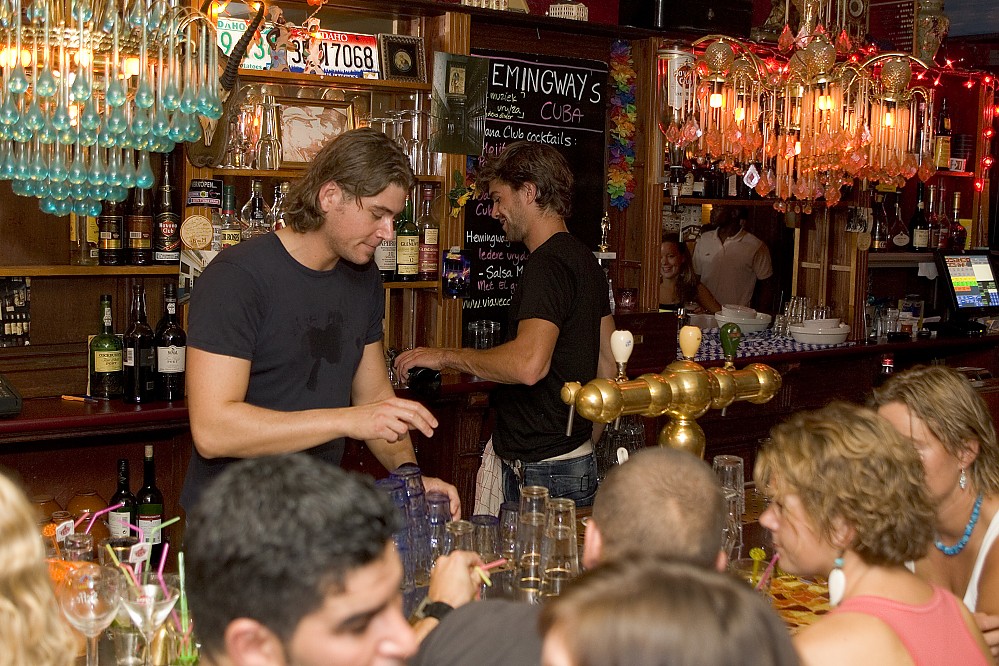
Groningen has its very own energy because of the large number of young people in higher or university training. They provide an economic boost to the city and ensure a wonderful nightlife. The cafés and clubs, in particular those at the Grote Markt and in the Poelestraat, are immensely popular among students. There is no fixed closing time, so take the opportunity to enjoy what the city has to offer until the wee small hours.